

Dealing with an empty pipeline? That’s the result of treating lead generation as something you do between projects, instead of every day.
The feast-or-famine cycle is a common pattern in the industry. A project wraps up, referrals go quiet, and suddenly you’re starting from zero. What makes this especially frustrating is that it’s entirely preventable. Research shows that 70% of potential clients research designers online before ever reaching out, meaning the work of generating leads happens long before a single conversation takes place. And yet most designers only think about lead generation when things slow down.
The firms that break this cycle treat lead generation as a daily practice, not a periodic scramble. They show up consistently across multiple channels, and it compounds. Designers who leverage content and digital channels report up to 30% higher client engagement compared to those relying solely on traditional portfolios and word of mouth.
If you’re looking to build a pipeline that doesn’t dry up between projects, you’re in the right place. Below, we’ll walk through proven strategies for generating leads, along with guidance on when it makes sense to bring in outside help.
Table of Contents
How to get leads as an interior designer (follow these steps first)
There are an endless amount of ways to generate leads for your interior design business.
But when you need leads in a pinch, or if you’re just starting out, these are essential first steps to follow.
Step 1. Optimize your website
Your website is often the first point of contact potential clients have with your business. Optimizing your site for search engines ensures you appear in search results when people are looking for interior design services. Use relevant keywords, create valuable content, and ensure your site is mobile-friendly and fast-loading. To really dig into the nitty-gritty of SEO, check out our informative (and easy to understand, we promise!) guide here.
You also want to ensure that your website is top-notch to increase your chances of conversion. Consider investing in professional graphic design, branding, photography, and copywriting to attract ideal clients. Check out our detailed guide to website creation for interior designers.
Step 2. Optimize your Google Business Profile
Ensure your business appears in local search results by claiming your Google My Business listing and optimizing it with accurate information, images, and client reviews. Local SEO can help you attract clients in your immediate vicinity. Add relevant keywords to your business description and regularly post updates and special offers. Encourage satisfied clients to leave reviews and respond to them promptly to show that you value feedback. By appearing in local search results, you increase the likelihood of attracting nearby clients who are looking for interior design services.
To start ranking your site for important search terms, check out our guide to interior design SEO.
Step 3. Ask your clients to refer you
Encourage your existing clients to refer their friends and family by offering incentives such as discounts or free consultations. Word-of-mouth referrals can be highly effective in generating new leads. Develop a structured referral program with clear guidelines and rewards to motivate clients to participate. Promote your referral program through your website, email newsletters, and social media channels to ensure maximum visibility. Tracking referrals and rewarding clients promptly will foster loyalty and encourage more referrals over time.
Step 4. Collect and share testimonials
Client testimonials and reviews can significantly influence potential clients’ decisions. Collect positive feedback from satisfied clients and place these testimonials in a prominent place on your website and social media profiles. Create case studies that showcase your most successful projects and include client quotes to boost credibility. Encourage clients to leave reviews on platforms like Google My Business, Yelp, and Facebook to boost your online reputation. Highlighting these testimonials in your marketing materials can build trust and demonstrate your proven track record of success.
Not sure how to ask clients for help? Check out our guide to getting great testimonials for your interior design business.
Best lead-generating tools for interior designers
The right tools make lead generation something you can actually sustain alongside a full project load. Each one below serves a specific function in your pipeline, from capturing interest to nurturing it into a booked consultation. Used together, they replace the manual, ad hoc approach that leads to inconsistent results.
Kit
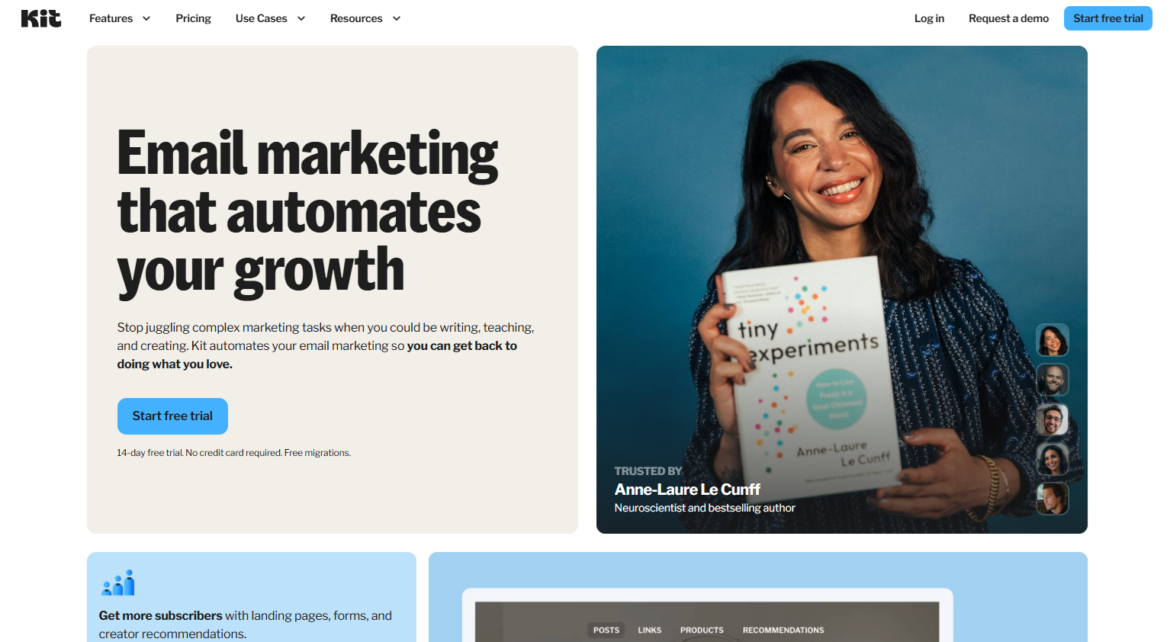
Kit is built for designers who want to grow an email list and actually do something useful with it. Use it to create landing pages for lead magnets like style guides or room planning checklists, then deliver them automatically when someone signs up. From there, automated email sequences keep new subscribers warm over time, introducing your work and process without you having to manually follow up with every person who downloads your freebie.
Mailchimp
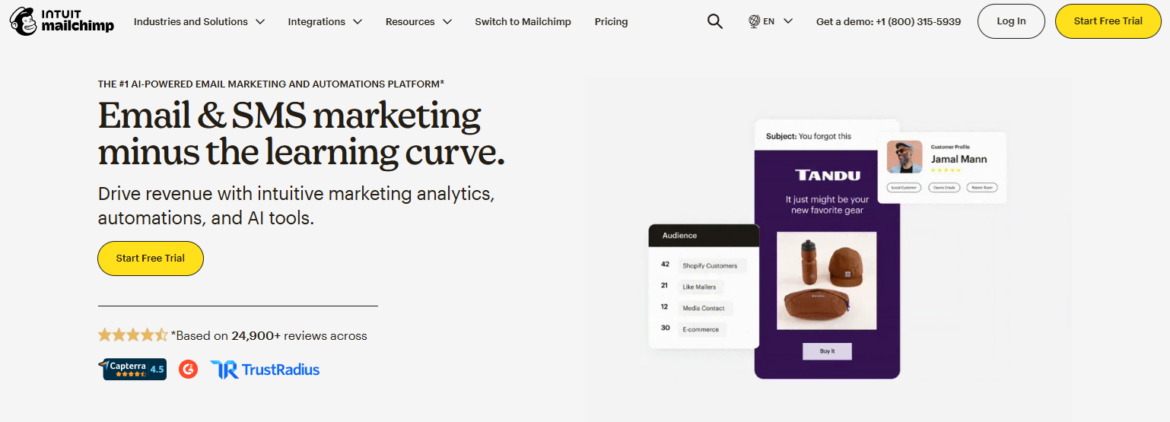
One of the most widely used email marketing platforms for a reason, Mailchimp covers the essentials without a steep learning curve. Build landing pages to collect emails, set up automated welcome sequences, and send regular newsletters to keep your audience engaged between projects. It also offers basic audience segmentation, so you can send different content to prospective clients versus past ones without managing multiple lists.
Canva
Showing up consistently on social media without spending hours on every post is much more realistic with Canva in your toolkit. Build branded templates for project reveals, design tips, and client testimonials, then reuse them each week with minimal effort. It’s also useful for creating downloadable guides and freebies, the kind of lead magnets that grow your email list passively. The drag-and-drop interface means no design background required.
Dubsado
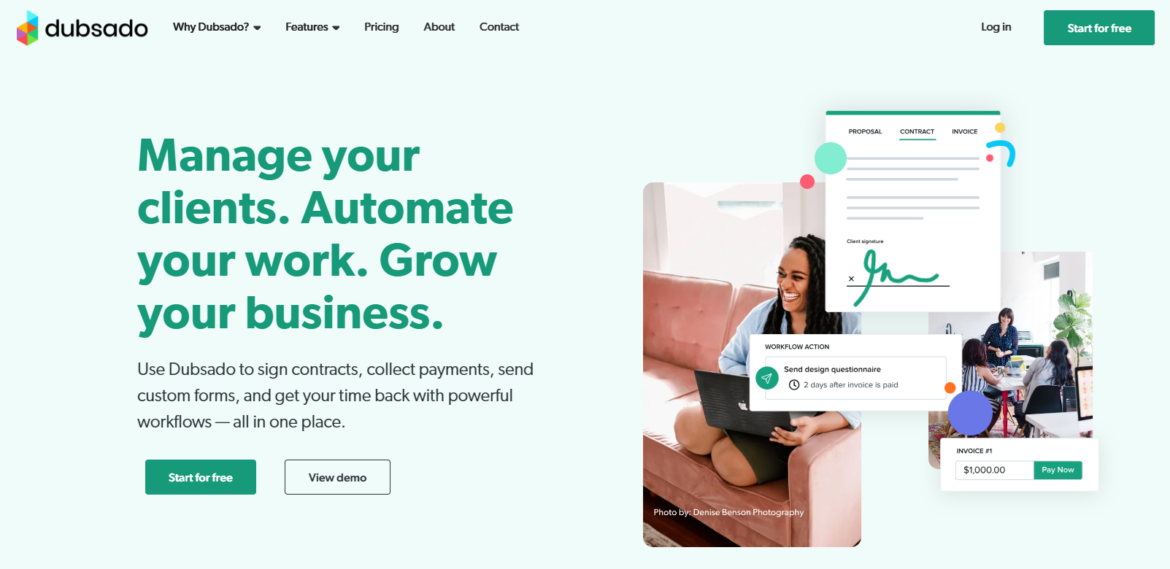
Dubsado functions as a CRM and client management system in one place. Use it to build lead capture forms for your website, send proposals, and set up automated follow-up sequences so no inquiry goes cold while you’re busy on a project. It also handles contracts and invoicing, which means the moment a lead converts, you can move them through onboarding without switching between tools or chasing paperwork manually.
Honeybook
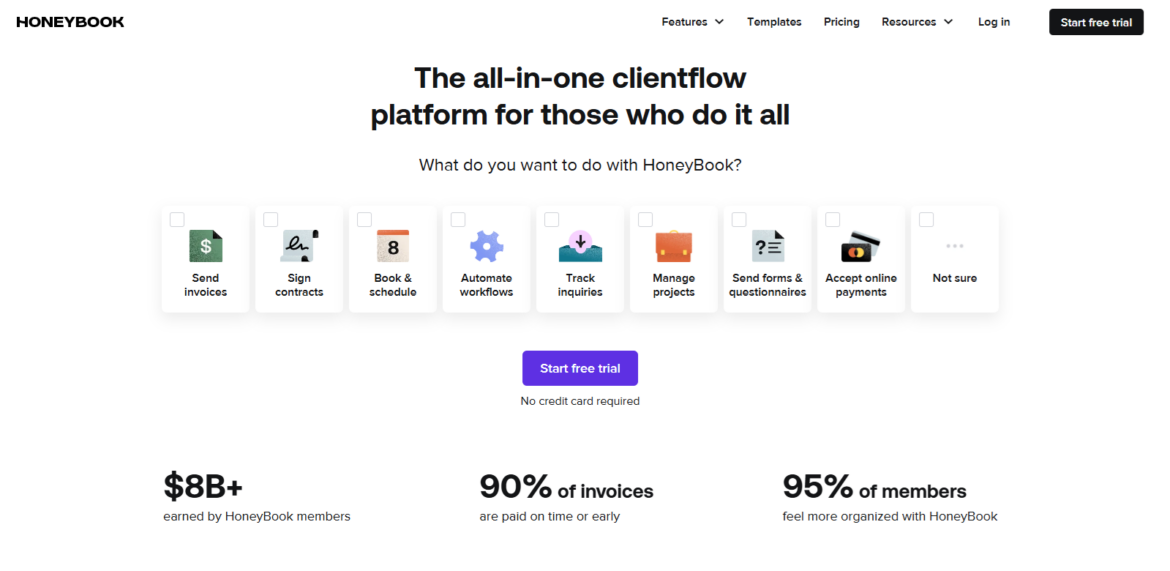
Honeybook covers a similar range to Dubsado but with a simpler, more visual interface that many solo designers find easier to get up and running quickly. It manages inquiries, proposals, contracts, and payments in one pipeline view, so you always know exactly where each potential client stands. It also includes automated reminder emails, which reduces the back-and-forth that often slows down the gap between first inquiry and signed contract.
ClickUp
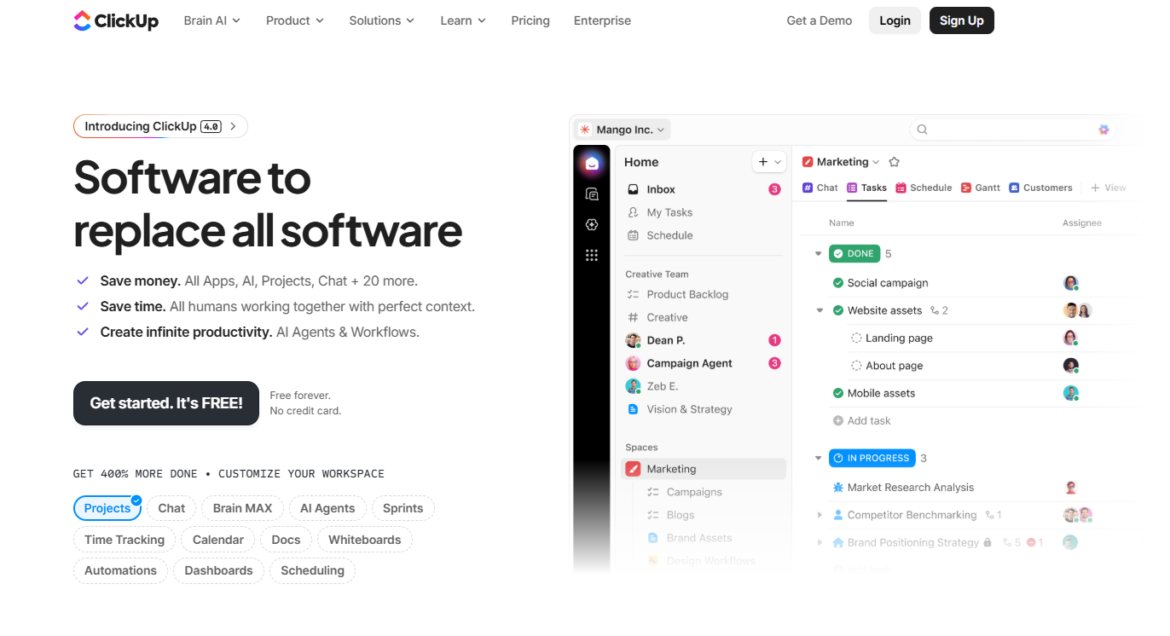
Tracking a referral program manually almost never works long-term, and ClickUp fixes that. Create a simple board to log who referred you, what incentive you offered, and whether you followed up with a thank-you. You can also use it to set reminders to check in with past clients at regular intervals, the kind of consistent touchpoint that keeps referrals coming in without feeling transactional.
CapCut
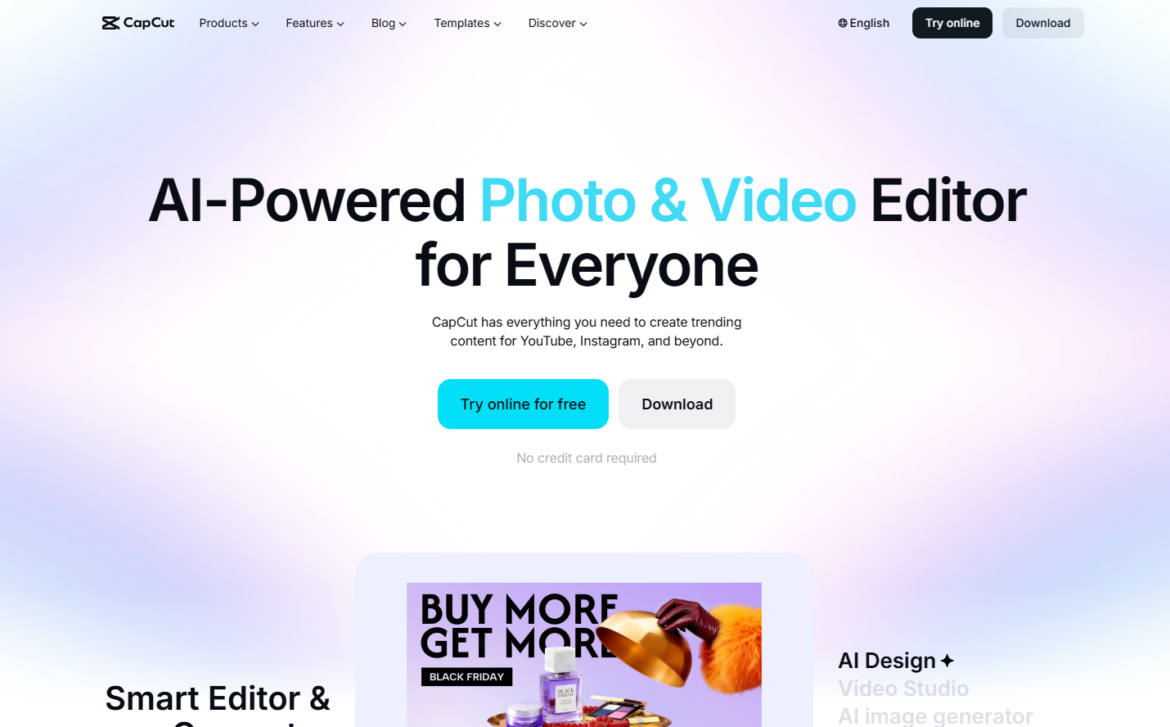
CapCut is a free video editing app that makes it straightforward to produce short-form video content for Instagram Reels and other platforms. Use it to create project walkthroughs, before-and-after reveals, or quick design tip videos directly from your phone. It includes templates, captions, and transitions built for the format, so you spend less time editing and more time publishing. Video consistently outperforms static content for reach, making this one of the higher-leverage tools on this list.
9 ways to generate leads as you scale
Once your business is optimized following the steps mentioned above, it’s time to expand your lead generation strategy. You need to slowly add in methods that build long-term results and create more authority for your brand.
Here are the top methods to try. We recommend having two to three of these methods running at any given time.
1. Leverage social media
Social media platforms like Instagram, Pinterest, and Facebook are visual-centric and perfect for showcasing your work. Regularly post high-quality images of your projects, behind-the-scenes content, and client testimonials. Engage with your audience by responding to comments and DMs promptly. And remember: instead of posting the work of other designers, which undermines your credibility, be sure to post original content. Even if you’re still building up a portfolio, you don’t have to resort to posting others’ work. You can post about things like your design process, latest inspirations, actionable tips, and more.
For more specific social media marketing tips, grab our guide to marketing on Instagram and our Facebook marketing guide.
2. Network with local businesses
Forming partnerships with local businesses such as furniture stores, real estate agents, and contractors can be a goldmine for referrals. Each of these arenas regularly attract customers who are either looking to buy/sell a home, or improve their existing one, which makes them perfect candidates for your services. Start by visiting these local businesses and introducing yourself. Explain your services and how a partnership could be mutually beneficial. Be sure and offer value in this initial conversation. Maybe that looks like a free consultation or promotional materials they can give to their customers. Maintain regular communication and keep them updated. Fostering a positive relationship with local businesses could even lead to joint events, like workshops, open houses, or networking mixers, which can provide both you and your partners with greater visibility.
If the idea of doing cold intros makes you break out in a cold sweat, check out our guide to networking for interior designers.
3. Attend industry events and trade shows
Industry events and trade shows are excellent opportunities to network with potential clients and other professionals in the field. They’re also a great way to stay on top of the latest design innovations and trends, providing essential inspiration for your work, and helping you stay ahead of the curve. Attend these events regularly to connect with new suppliers, peers, industry professionals, and potential referral partners.
4. Spread the word about your business
Tell everyone you know about your business and services (if you haven’t already, that is). And by “everyone,” we don’t just mean your closest friends and family. Don’t be shy about spreading the word at school pickup, in local neighborhood Facebook groups, and at your weekly pilates class. You never know where you’ll come across an ideal client—or a connection to an ideal client—and drawing upon your existing network means there’s an existing sense of trust and credibility.
5. Create valuable content
Content marketing is a powerful tool for lead generation. Write blog posts, create videos, or develop downloadable guides that provide valuable information. By valuable, we mean your content should not only speak to your specific expertise in interior design, but should also be compelling to your ideal client. In today’s crowded and competitive market, there’s no room for fluff or filler. Your content needs to answer the specific questions and needs of your target audience.
This might include how-to guides, trends analyses, or case studies of successful projects. Consistently publishing high-quality content builds your authority and trustworthiness. It also improves your search engine rankings, making it easier for potential clients to find you. Engaging content encourages visitors to spend more time on your site, increasing the chances of conversion. Lastly, sharing your content on social media can expand your reach and attract even more leads.
6. Send email newsletters
Build an email list and send regular newsletters to keep your audience informed about your latest projects, special offers, and design tips. Personalized and well-crafted emails can nurture leads and keep your services top of mind.
Segment your email list to tailor your messages to different audience groups, ensuring the content is relevant and engaging for each recipient. For example, certain emails can go to your ideal clients, while other types of emails can be reserved for referral partners, like real estate agents and contractors. Use attention-grabbing subject lines to increase open rates and include clear calls to action to guide your readers on the next steps. Regularly analyze the performance of your email campaigns to refine your strategy and improve your results over time.
Check out our email nurturing guide and templates. And if you’re wondering, how are you going to possibly find time to create all this content, even with the help of a template, check out our detailed guide to using ChatGPT to write high-converting emails for you. This guide includes step-by-step instructions for maximizing AI to get the best results, including topic ideas and 50 tested and refined prompts. No ChatGPT experience required!
7. Showcase your work on design platforms
Websites like HomeAdvisor, Thumbtack, and other design platforms allow you to showcase your portfolio to a broad audience. Create a profile, upload your best projects, and actively engage with the community to attract potential clients. Participate in discussions, answer questions, and provide expert advice to establish yourself as a thought leader. Use high-quality images and detailed descriptions to highlight the unique aspects of your designs. Regularly updating your profile with new projects will keep your portfolio fresh and attract repeat visitors.
8. Host workshops and webinars
Hosting workshops and webinars is a great way to share your expertise and connect with potential clients in a more personal and interactive setting. Offer sessions on design topics that you believe will be popular with your target audience. For example, space planning, color theory, or sustainable design. Promote these events through your website, social media, and email newsletters to attract attendees. Use these opportunities to showcase your expertise and knowledge, build rapport with potential clients, and at the end, invite them to book a free discovery call with you. Be sure to follow up and stay in touch.
9. Use paid advertising
Invest in paid advertising such as Google Ads or Facebook Ads to reach a broader audience. These platforms allow you to target specific demographics and interests, increasing the chances of reaching ideal potential clients. Experiment with different ad formats like video, carousel, and display ads to see which resonates most with your audience. Monitor the performance of your ads regularly, adjusting your strategy based on metrics like click-through rates and conversions. By optimizing your ad campaigns, you can maximize your return on investment and consistently attract high-quality leads. If you’re not sure how to approach this one, consider outsourcing to a company that specializes in digital advertising to ensure you’re strategizing appropriately and maximizing your investment. And no worries if you’re not in a place to make this investment yet—we recommend starting with numbers 1-12 on this list, all of which are equally (if no more!) effective lead generation strategies.
Interior design lead generation services: when to outsource
While the strategies above can all be implemented in-house, there are times when bringing in outside help makes sense, especially as your business grows and your time becomes your most limited resource. Here are four types of lead generation services worth considering, and when each one is actually the right call.
1. PR firms
PR firms can get you featured in media outlets, design publications, and blogs. This boosts your visibility and credibility in ways that are hard to achieve on your own. They handle press releases, journalist pitches, and interview placement. This is worth considering once you have a strong, well-documented portfolio and want to pursue editorial features in recognized design publications. If you’re still building your body of work, hold off. PR is most effective when there’s a compelling story to tell.
2. SEO agencies
SEO agencies handle the technical and content work of getting your website to rank higher in search results. Keyword research, site structure, and ongoing content creation. Consider hiring one if your site has been live for six months or more and you’re seeing little to no organic traffic growth despite publishing content. If you’re brand new, focus on the basics yourself first (see strategy #1 and #12 above) before outsourcing.
3. Social media management
A social media management service will handle content creation, scheduling, community engagement, and ad campaigns on your behalf. This is a good fit if your business is busy—you’re booking projects consistently—but you have no time or energy left to show up online. It’s less suited to early-stage businesses where the personal, face-to-camera connection is often what converts followers into clients.
4. PPC advertising agencies
PPC agencies manage paid ad campaigns on platforms like Google and Facebook, handling strategy, creative, bidding, and performance monitoring. This only makes financial sense once you have a dedicated ad budget of at least $1,000–$2,000 per month to spend on the ads themselves, separate from the agency fee. Without that, the math rarely works in your favor.
How DesignFiles helps interior designers with lead management
Generating leads is only half the equation. What happens after someone reaches out determines whether those leads actually become clients. It all comes down to how quickly you respond, how professionally you present yourself, and how smoothly you move them from inquiry to signed contract.
DesignFiles is an all-in-one platform built specifically for interior designers, and it’s designed to make that entire journey feel effortless.
Here’s how it supports you at every stage:
- Design Questionnaires: Capture the right information from prospective clients before your first meeting. A well-crafted questionnaire signals professionalism, helps you qualify leads faster, and ensures your initial consultation is focused and productive.
- Client Presentations: Turn your concepts into polished, visual presentations that make it easy for clients to say yes. First impressions matter, and a beautifully presented proposal does a lot of the selling for you.
- Contracts: Send, sign, and store contracts without leaving the platform. Getting a signed agreement in place quickly keeps momentum going after a lead converts — and protects your business from the start.
- Client Communication: Keep all project communication organized and in one place, so nothing gets lost in email threads and every client feels like they’re your top priority.
- Quotes and Invoices: Generate professional quotes and invoices that reflect the quality of your work. A seamless billing experience reinforces trust and makes it easier for clients to refer you to others.
- Financial Reports and QBO Integration: Stay on top of your business finances without the administrative burden. Sync with QuickBooks Online to keep your books accurate and your focus on design.
When your operations are this organized, the client experience improves. Because most design businesses run on referrals, a great client experience is one of the most powerful lead generation tools you have.
Try DesignFiles for free for one project.
FAQs on lead management for interior designers
As you’re processing all of the above information, you probably have some questions. Let’s go over the most commonly asked questions we get from interior designers about lead management.
One of the most reliable sources of leads for interior designers is building a strong referral network. Establishing partnerships with realtors, furniture stores, contractors, and other local businesses, as well as asking your happy past clients to refer you, is a great way to keep a steady stream of qualified leads coming in. As an added benefit, when leads come to you through referrals, the trust factor is already high, which means they’re much more likely to say yes to working with you.
Managing leads effectively is crucial for converting prospects into clients. Utilizing a Customer Relationship Management (CRM) system can help you keep track of your leads, their contact information, and their stage in the sales process. A CRM system allows you to organize your leads, schedule follow-ups, and track interactions, ensuring no lead falls through the cracks. Popular options include Dubsado, Pipedrive, and HubSpot.
Following up with leads can be done through manual methods or automated sequences. Manual follow-up involves personally reaching out to leads via phone calls or personalized emails, allowing for a more tailored approach. Automated follow-up sequences, on the other hand, use email automation tools to send a series of pre-written emails at scheduled intervals. This method ensures consistent communication and frees up your time to focus on other aspects of your business.
The fastest path to new clients is almost always your existing network. Reach out directly to past clients, let local business partners know you have availability, and make sure your Google Business Profile is complete and active. People searching for designers in your area can find and contact you the same day. Paid advertising can also generate inquiries quickly, but it works best once you have a clear offer and a website that converts.
SEO is a long-term investment. Most interior design websites begin to see meaningful organic traffic growth between six and twelve months after consistently publishing optimized content and maintaining an up-to-date Google Business Profile. Local SEO tends to produce results faster than broad organic rankings. The earlier you start, the sooner it compounds. Appearing in map results for searches like “interior designer in [your city]” can have a huge impact on your business.
It depends on where you are in your business. If you have a proven process for converting inquiries into clients but not enough volume coming in, a lead generation service can accelerate growth. If your conversion rate is low or your website isn’t strong yet, more leads won’t solve the underlying problem. Fix the foundation first, then consider outsourcing lead generation once you’re confident you can close what comes in.
Track three numbers: the volume of inquiries coming in each month, where those inquiries are coming from, and what percentage convert into booked projects. If volume is low, your visibility needs work. If volume is fine but conversion is low, the issue is likely your follow-up process, pricing presentation, or website. Knowing which number is the problem tells you exactly where to focus.
Grow your business with a truly all-in-one software for solo interior designers and small firms. Learn more about DesignFiles.


![How Much to Charge for Interior Design [With Free Calculator]](https://blog.designfiles.co/wp-content/uploads/2024/08/charge-for-interior-desig-services-image-16x9-1-768x432.jpg)